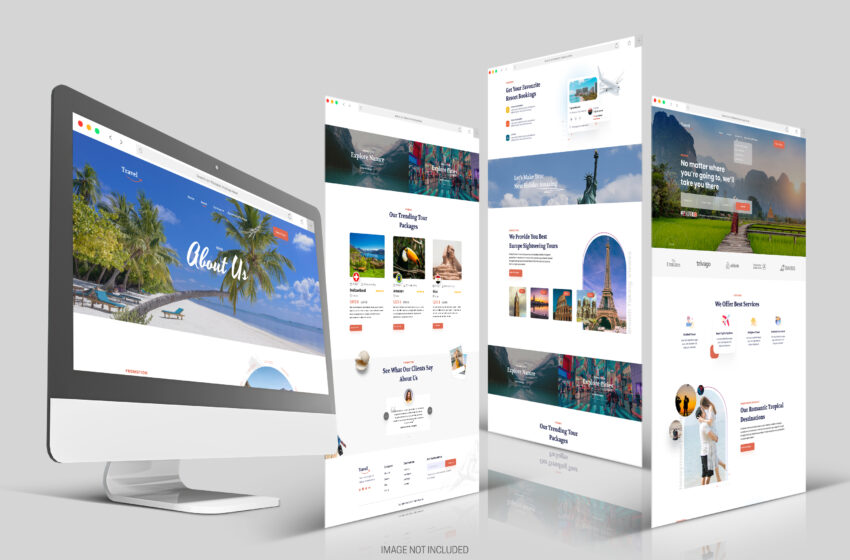
Many modern businesses struggle online not because they lack products or services, but because their websites fail to engage visitors or guide them toward action. Understanding what truly makes a website effective is essential for long-term success.
Clear Purpose and Business Focus
Every effective website starts with a clear purpose. Whether the goal is to generate leads, sell products, or provide information, the website must be designed around that objective. Visitors should immediately understand what the business offers and how it can help them.
Modern businesses benefit most from websites that align design, content, and functionality with real business needs rather than just visual appeal.
User-Friendly Design and Navigation
A website should be easy to use for all visitors. Simple navigation, clear menus, and logical page structure help users find information quickly. If visitors struggle to move around a website, they are more likely to leave without taking action.
User experience plays a major role in how people perceive a brand online. Businesses that prioritize usability often see better engagement and higher conversion rates.
Mobile Responsiveness Is Essential
With most users browsing on mobile devices, an effective website must perform well on all screen sizes. Mobile-friendly design ensures that content remains readable, navigation is smooth, and actions like contacting or purchasing are easy to complete.
Search engines also favor mobile-optimized websites, making responsiveness an important factor for visibility and ranking.
Fast Loading Speed and Performance
Website speed directly affects user satisfaction. Slow-loading pages frustrate visitors and increase bounce rates. An effective website is optimized for performance, ensuring quick load times and smooth interaction.
Performance optimization is especially important for modern businesses competing in crowded online markets where attention spans are short.
Trust, Credibility, and Professional Presentation
Trust is built through consistency and professionalism. Clear messaging, quality visuals, secure browsing, and well-written content all contribute to how credible a business appears online.
Businesses that invest in professional website design often stand out as more reliable and established compared to competitors with outdated or poorly structured websites.
SEO-Friendly Structure for Visibility
An effective website is built with search engines in mind. Proper page structure, optimized headings, relevant content, and internal linking help search engines understand and rank the site.
This is why many modern businesses choose to work with a professional
web design agency
that understands both design and SEO principles.
Continuous Improvement and Updates
A website should not remain static. Regular updates, performance improvements, and design enhancements help businesses stay relevant and competitive. As customer expectations and technology evolve, websites must evolve as well.
For businesses with outdated platforms, a structured
website redesign and revamp
can significantly improve performance and user engagement.
Final Thoughts
A truly effective website combines clear purpose, user-focused design, mobile responsiveness, performance, trust, and SEO. When these elements work together, a website becomes a powerful tool that supports growth and long-term success.
Modern businesses that invest in thoughtful website design are better positioned to attract customers, build credibility, and compete confidently in the digital space.